
Most blockchain tools get judged on whether they work. That is usually the wrong test. Tracing platforms tend to work exactly as advertised while still being the wrong fit for the person using them, which is a different failure entirely and a far more common one. This FinTracer review asks the more useful question. Not does it work, but who does it work for.
What the platform actually gives you
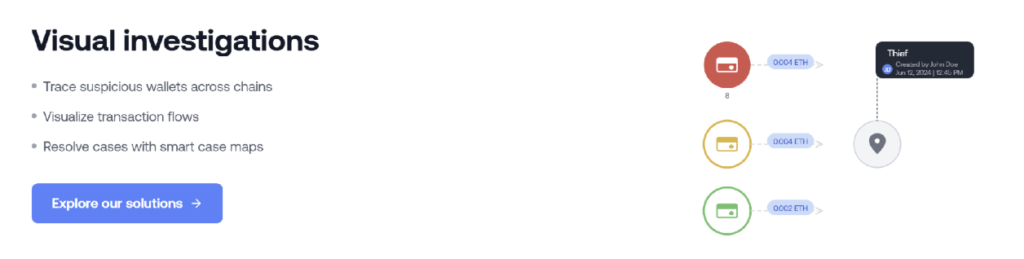
FinTracer is built for blockchain investigation rather than everyday crypto activity. You supply a lead, normally a wallet address or a transaction hash. The platform follows the money outward from there, charting the route those funds took across connected wallets and the services they passed through.
Results arrive as visual transaction flows rather than raw ledger output, and that is the practical gap between reading a blockchain and understanding one. Paste in an address, watch the trail open across the networks it touched, and you finish with a picture rather than a list. The platform’s tracing and investigation tools set out how the analytical side is organised.
One thing it is not: a portfolio tracker. It does not price your holdings. It follows money.
Risk monitoring and entity classification
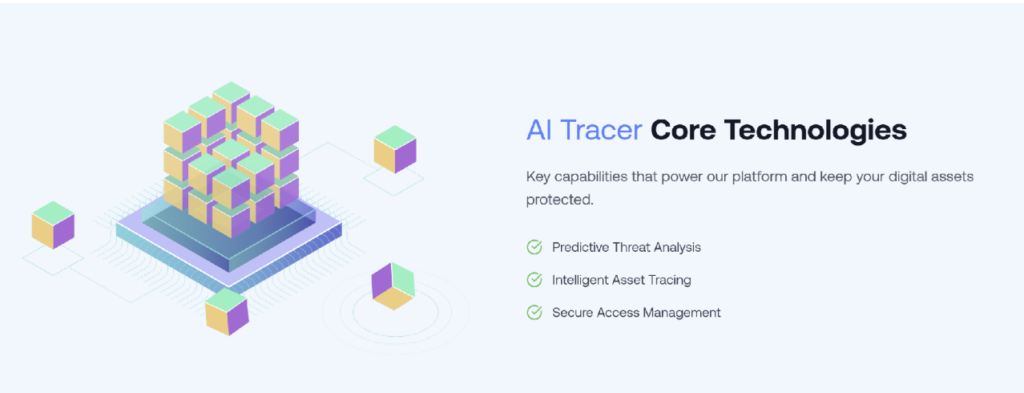
Beyond historical tracing, FinTracer grades wallets and services by threat level. Interactions involving mixers, flagged addresses and other higher-risk counterparties are surfaced and sorted, so a trail that would otherwise read as an undifferentiated wall of hashes instead arrives ranked by what deserves attention first. That ordering is most of the value.
The audience split shows up here. For someone chasing a single misdirected transfer, the grading is useful background, little more. For a compliance function screening exposure at volume, it is the entire reason to be there.
Access, onboarding and support
Getting started is light. There are no tiered account structures to negotiate and no deposit mechanics to learn, because FinTracer analyses activity rather than holding or moving funds. Setup takes minutes.
Support is the thinner part of the experience. The advanced analytics areas would benefit from more in-product explanation, and someone arriving from an ordinary crypto wallet may need a while before the risk indicators mean much to them. Independent user feedback is gathered on the FinTracer review page at ReviewCharts.
Pros, cons and the verdict
The strengths are easy to state. Tracing works across multiple networks, the visual presentation does genuine analytical work rather than decorating the data, and the risk grading turns raw movement into something a person can prioritise instead of merely stare at.
The real limitation has less to do with the software than with expectation. FinTracer needs a lead.
Arrive with a wallet address or a transaction hash and it has something to pull on. Arrive with nothing but a suspicion that something, somewhere, went wrong, and there is very little any blockchain tool can do about it, this one included.
A second drawback is smaller but worth naming. The platform explains its findings considerably better than it explains itself, and a short guided walkthrough would close most of that gap. A similar assessment appears in FinTracer review: a crypto tracing platform that focuses more on investigation than hype.
So this FinTracer review lands on a conditional verdict, which is the honest one. For an investigator, a compliance function, or an individual holding a concrete lead they want followed properly, FinTracer is well matched to the work and worth the short learning period it asks for.
For anyone hoping a platform will tell them what happened without knowing where to begin, it is the wrong door. No amount of interface polish would change that.


